When to move from self storage to a 3PL
Self storage is a fine place to start and a bad place to scale. The practical signals that tell you it is time to move, and what actually changes when you do.
Self storage is not a mistake. It is a stage.
Plenty of good bulky-goods businesses started in a self storage unit, and there is nothing embarrassing about it. It is cheap to start, you can walk away at short notice, you do not need to forecast, and when you are selling a handful of units a week the labour cost of doing it yourself is genuinely lower than paying someone else.
The problem is that self storage does not fail loudly. It degrades. It stays technically workable long after it has stopped being sensible, and the costs of staying migrate somewhere you are not measuring — into your evenings, your damage rate, your delivery lead times, and the growth you quietly stopped chasing because you could not physically service it. This post is about spotting that point.
What self storage is actually good at
Be fair to it before you leave it. Self storage gives you a genuinely low commitment: monthly terms, no dilapidations, no staff. It gives you unmediated access to your own stock, which matters more than people admit when you are still learning how your products behave. It has no minimums, so a slow month costs you a slow month and nothing else. And it has no integration effort — there is no onboarding, no system, no process to agree.
For a business under a certain size and a certain product weight, that combination is hard to beat. The question is not whether it was the right decision. It is whether the conditions that made it right still hold.
The signals that you have outgrown it
One signal on its own means little. Three or more at once, especially if one of them is damage or peak fear, means the stage is over.
- You cannot take a container. If your supplier ships a full container and you have to pay someone to break it down elsewhere, or take delivery in pieces, your storage is now shaping your buying decisions.
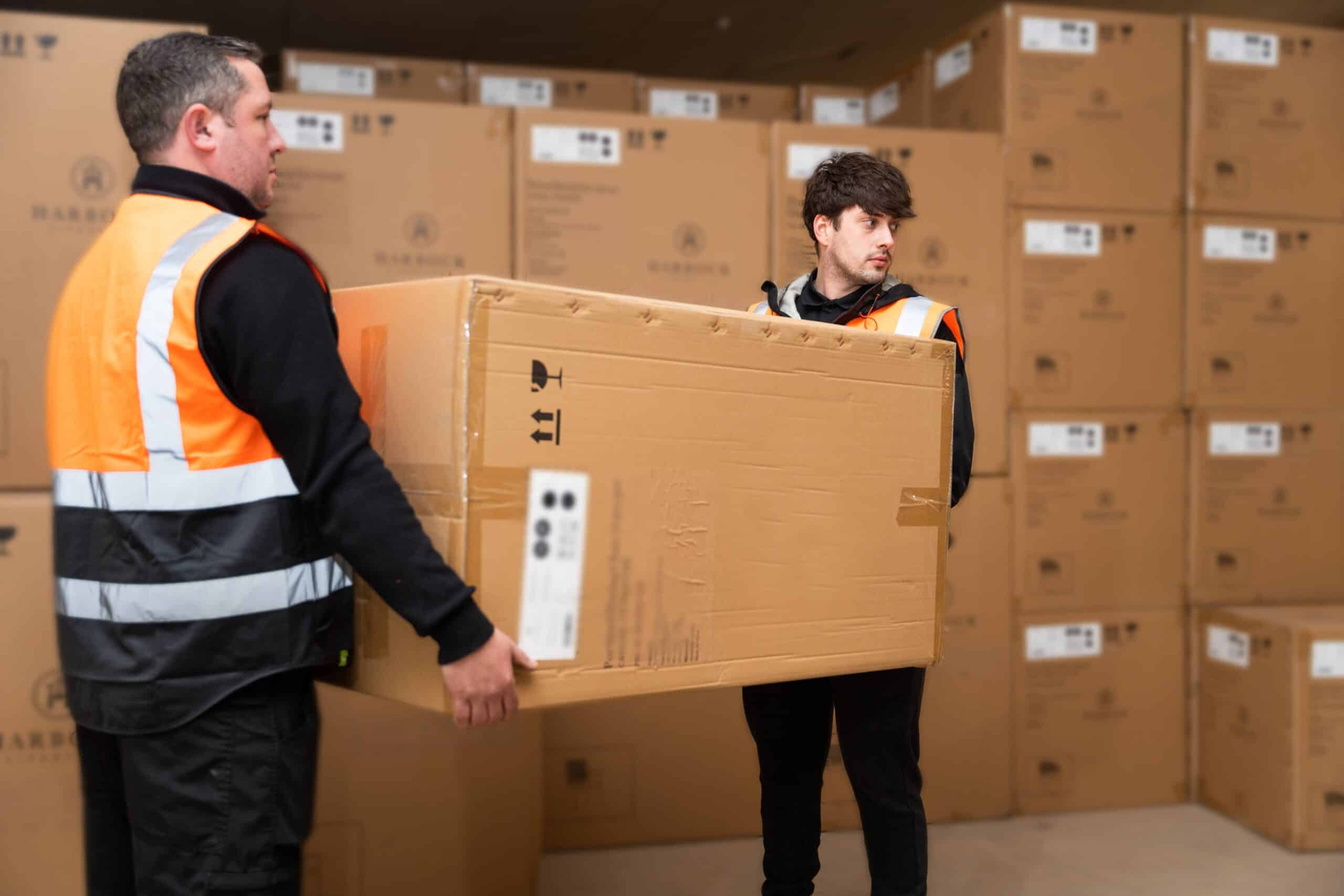
- You are handling everything by hand. Self storage units are generally not built for mechanical handling of heavy goods at height. If your stock needs a forklift and you do not have one, every movement is a manual handling risk.
- You are stacked to the door. Not literally — operationally. If retrieving a specific SKU means moving six other things first, you no longer have storage. You have a pile with a shutter on it.
- Your damage rate has crept up. Repeated manual handling in a tight space with no proper packing station does exactly what you would expect to boxed furniture.
- Dispatch is eating your week. Count the hours you and your team spend picking, packing, and waiting for collections. Price them at what your time is actually worth. Most owners have never done this arithmetic and are startled by the answer.
- You cannot answer a stock question without going to look. If your stock figure lives in a spreadsheet that is updated when someone remembers, you do not have inventory control.
- Peak season now scares you. If a good month would break your operation, your operation has become the ceiling on your business.
- You are turning down channels. Wholesale, marketplaces, or a two-person delivery proposition all need an operational base you do not currently have.
- You have taken multiple units. Two or three units in different parts of a site is a strong signal. You are now paying a premium for fragmented space and doing internal transport for free.
Comparing cost honestly
The comparison people make is rent versus 3PL fees, and on that basis self storage usually looks cheaper. It is also the wrong comparison, because it prices only one of the things a 3PL supplies.
A fair comparison includes your labour at a realistic hourly value — and if you are the owner, that is the value of the work you would otherwise be doing, not minimum wage. It includes the vehicle, the fuel, and the time spent running stock between sites. It includes damage and replacement costs. It includes whatever you pay to devan containers elsewhere. It includes the packaging materials you buy at retail quantities rather than trade. It includes the carrier rates you are paying as a small direct account instead of through an operator with volume. And it includes the growth you have not taken, which is real even though it will never appear on an invoice.
Do that honestly and the picture usually shifts. Not always — if your volumes are genuinely low and your time genuinely is not worth much elsewhere, self storage can still win, and we would rather tell you that than sign you up to something premature. But most brands who go through this exercise properly find the gap is far narrower than the rent line suggested, and that the non-cost benefits then decide it.
What actually changes when you move
The change most people expect is space. The changes that matter more are handling, receiving, and visibility.
Handling changes because a warehouse has the equipment and the trained people to move your stock mechanically and safely. For bulky goods this is the single largest practical difference. The thing you have been wrestling with two people and a sack truck becomes a routine forklift movement.
Receiving changes because a 3PL can take a container directly. We can contact your shipping agent, arrange the shipment direct to our warehouse, and handle unloading, inventory checks, discrepancy reporting, and put-away as one process. That means shortages and transit damage are found at the first UK touchpoint rather than discovered three months later.
Visibility changes because your stock stops being a spreadsheet. Through Team Simplee, our client portal, you get stock position, order status, goods in, dispatch, returns, and reporting in one place. The practical effect is that you can answer a customer or a buyer without driving to a unit and counting.
And storage method changes. Instead of one type of space, your products get the method that suits them — racked, floor-stored, stacked, on out-of-gauge pallets, in stillages, or outside if they are robust enough. Mixed ranges stop being a compromise.
What you give up, honestly
You give up walking in and touching your stock whenever you feel like it. For some founders this is a genuine adjustment, and portal visibility only partly replaces it. It is worth naming rather than pretending.
You give up total informality. A 3PL needs a process: SKUs defined, dimensions recorded, cartons labelled, orders arriving through a system. If your operation is currently held together by knowledge in your own head, some of that has to be written down. That is a real cost in effort, and also — although it rarely feels like it at the time — one of the more valuable things about the move.
You take on a commercial relationship with terms, rather than a monthly unit you can leave in thirty days. Storage can be arranged on flexible short-term, seasonal, or long-term contracts, but it is still a relationship you have to manage.
Planning the move
Do not move at peak. Move in your quiet season, when a mistake costs you a slow week rather than your year. For garden and outdoor ranges that usually means the autumn and winter months.
Before you talk to anyone, get your data straight: a SKU list with boxed dimensions and weights, your current stock position, your monthly order volumes by channel, and your seasonal shape. Nearly every delay in onboarding traces back to one of those being missing or wrong.
Then plan the physical transition. Container arrivals are the natural moment to switch, because the new stock can go straight to the new warehouse and you run the old unit down rather than paying to move it. Moving existing stock is a cost with no benefit if you can simply let it deplete.
Expect onboarding to take a few weeks rather than days once scope is agreed. There are integrations to set up, SKUs to load, and processes to agree. Urgent timelines can usually be supported, but planning ahead is cheaper than urgency.
Working out where you are
The clearest test we know is this: if your business doubled next month, what breaks first? If the answer is your storage, your handling, or your dispatch, then your operation is now the constraint on your growth rather than a support for it.
If you are somewhere near that point and want a straight answer about whether moving makes sense yet, bring your SKU list, your dimensions, and your order volumes. Call +44 1787 378154 or email sales@simpleeuk.com. If the numbers say stay where you are for another season, that is what we will tell you.
Related SIMPLEE UK services
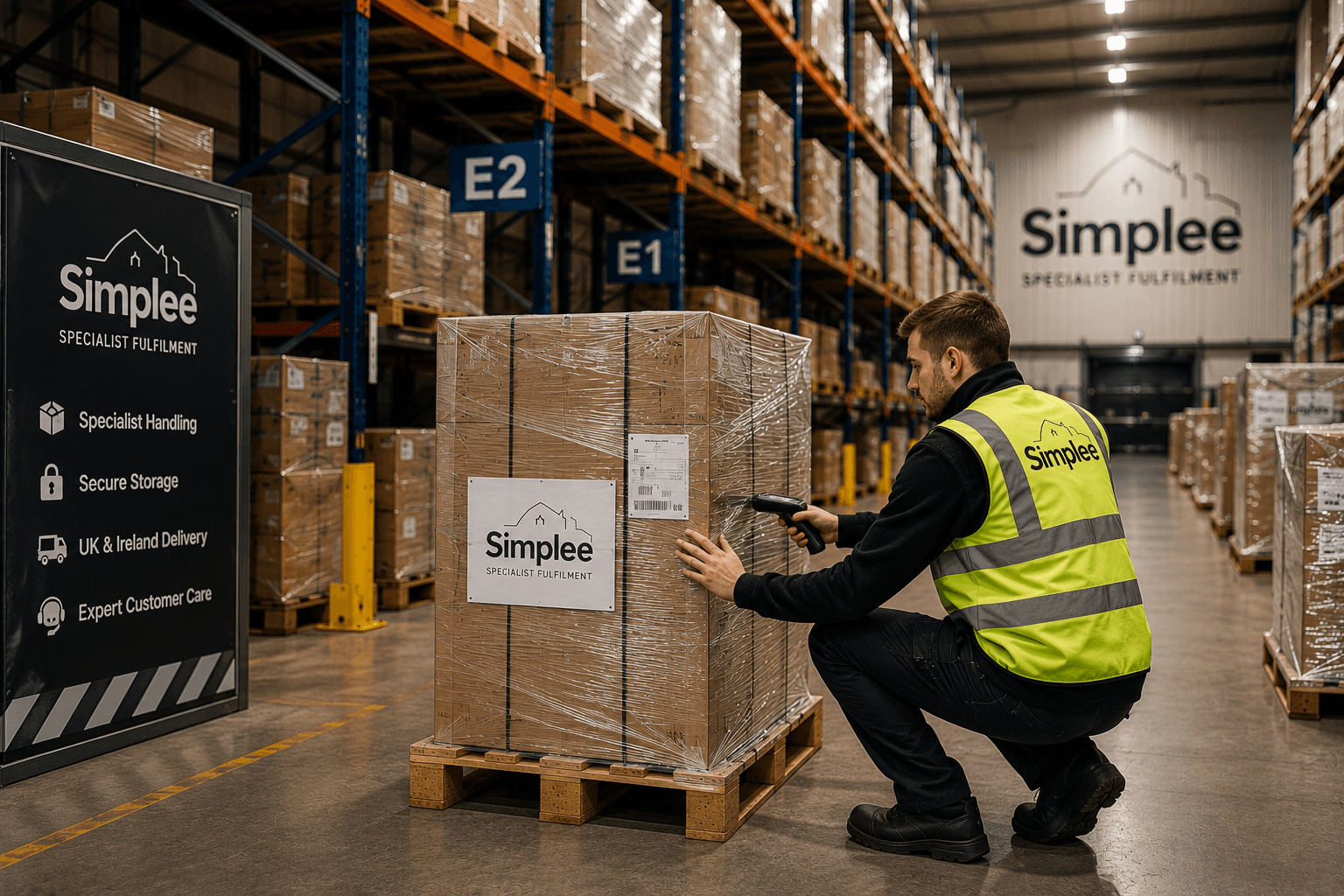
Warehouse fulfilment for bulky & out-of-gauge goods
Inbound shipping, receiving, picking, packing, dispatch, and two-person delivery support for furniture, garden goods, and other awkward stock.
- Inward shipping coordination
- Inventory checks and discrepancy reporting
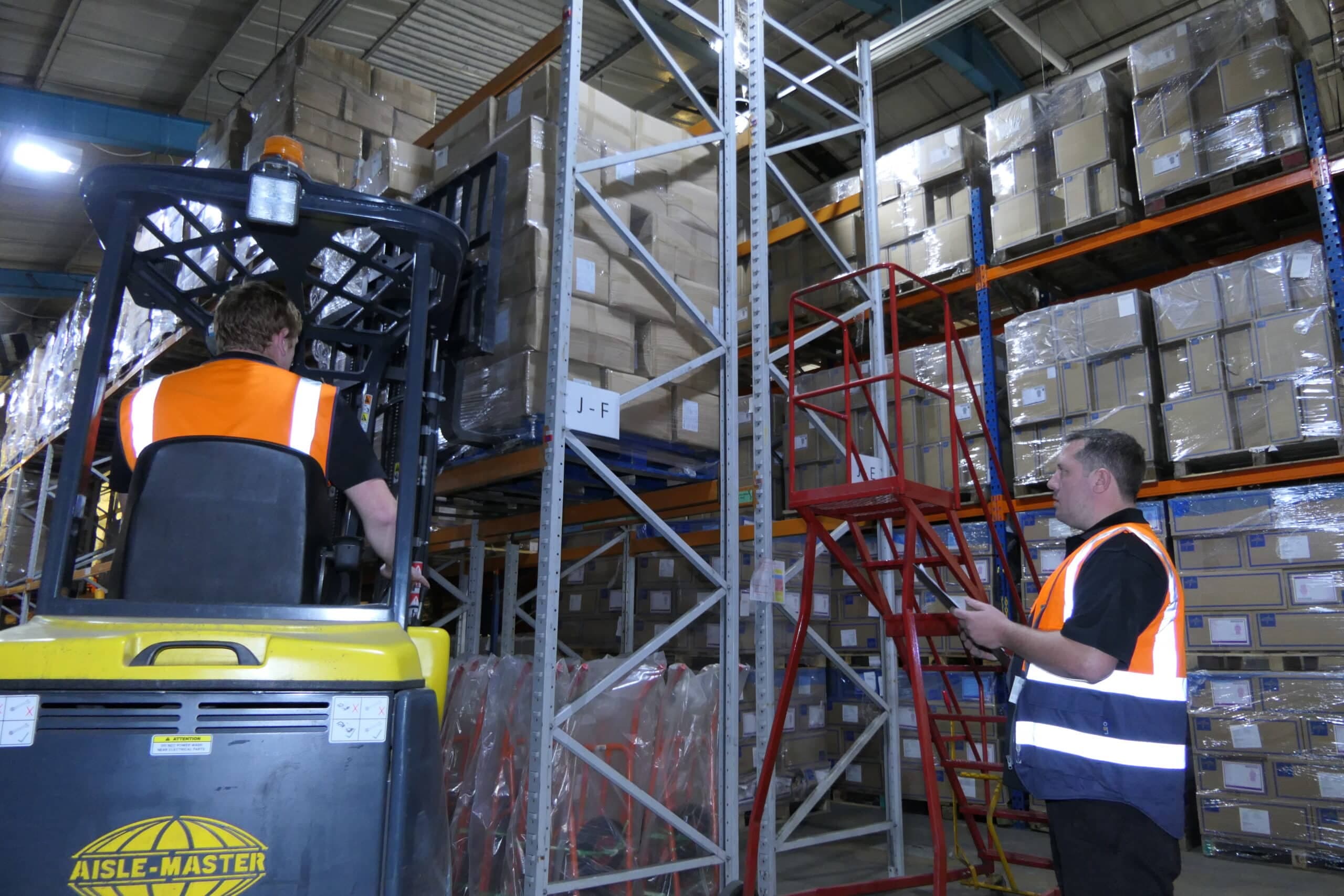
Pallet storage & out-of-gauge pallet solutions
Pallet storage for standard, oversize, stackable, racked, and outdoor stock profiles.
- Out-of-gauge pallet solutions
- Outdoor and racked storage options
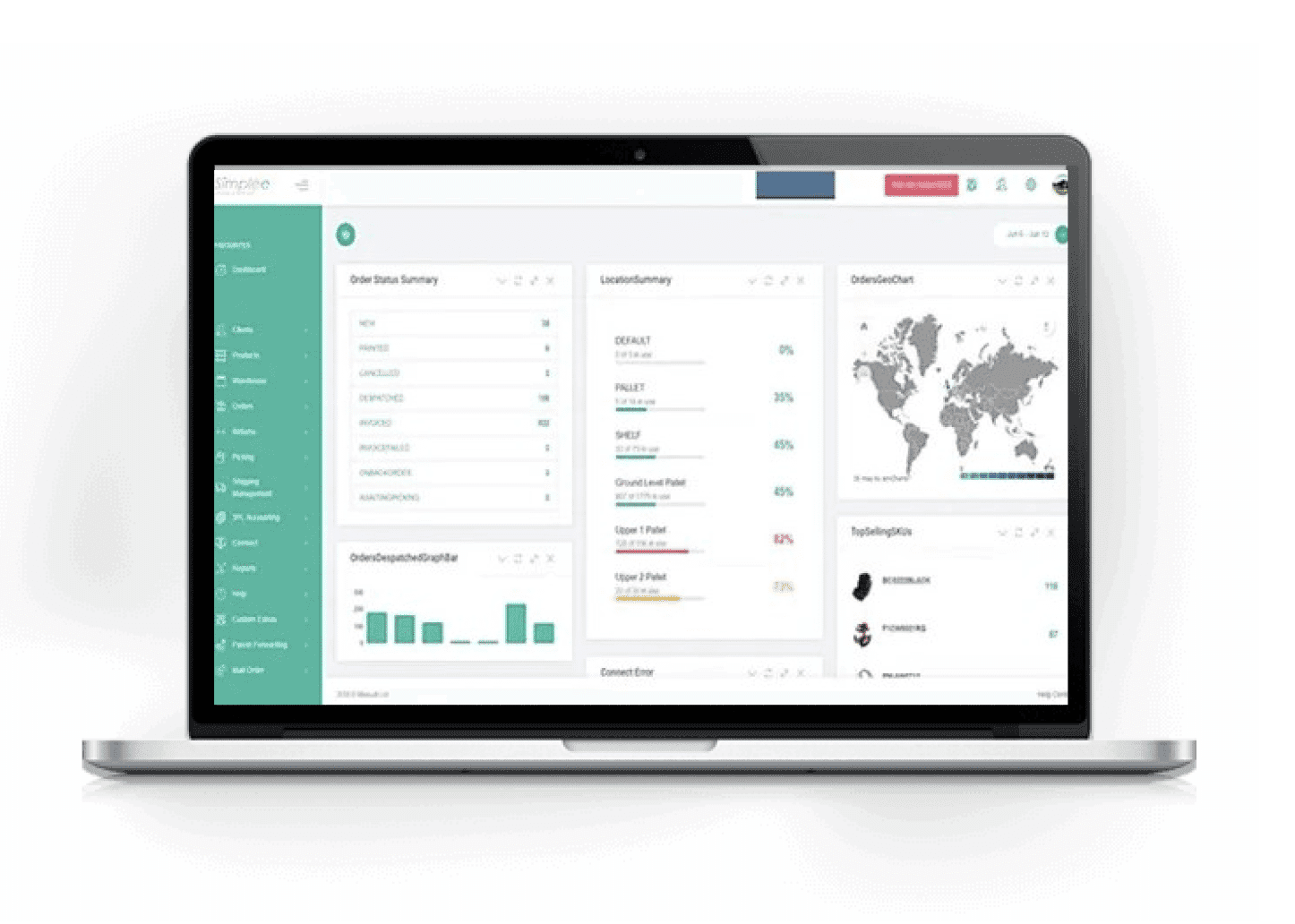
Warehouse technology — stock visibility & reporting
Warehouse visibility, reporting, order status, stock management, and courier integrations through Team Simplee.
- Team Simplee portal access
- Real-time order and stock visibility
Related posts
Why running your own warehouse is a false economy
The true costs of owning warehouse operations, from software and space to staffing and management.
Read articleHow much does 3PL cost for bulky goods?
Why bulky-goods 3PL cannot be priced from a rate card, what actually drives the number, and how to compare quotes fairly.
Read article