
Racked, stacked or floor: choosing the right pallet storage option
Racking, floor stacking, floor-serviced storage and outdoor space each suit different stock. How to work out which of your pallets belongs where.
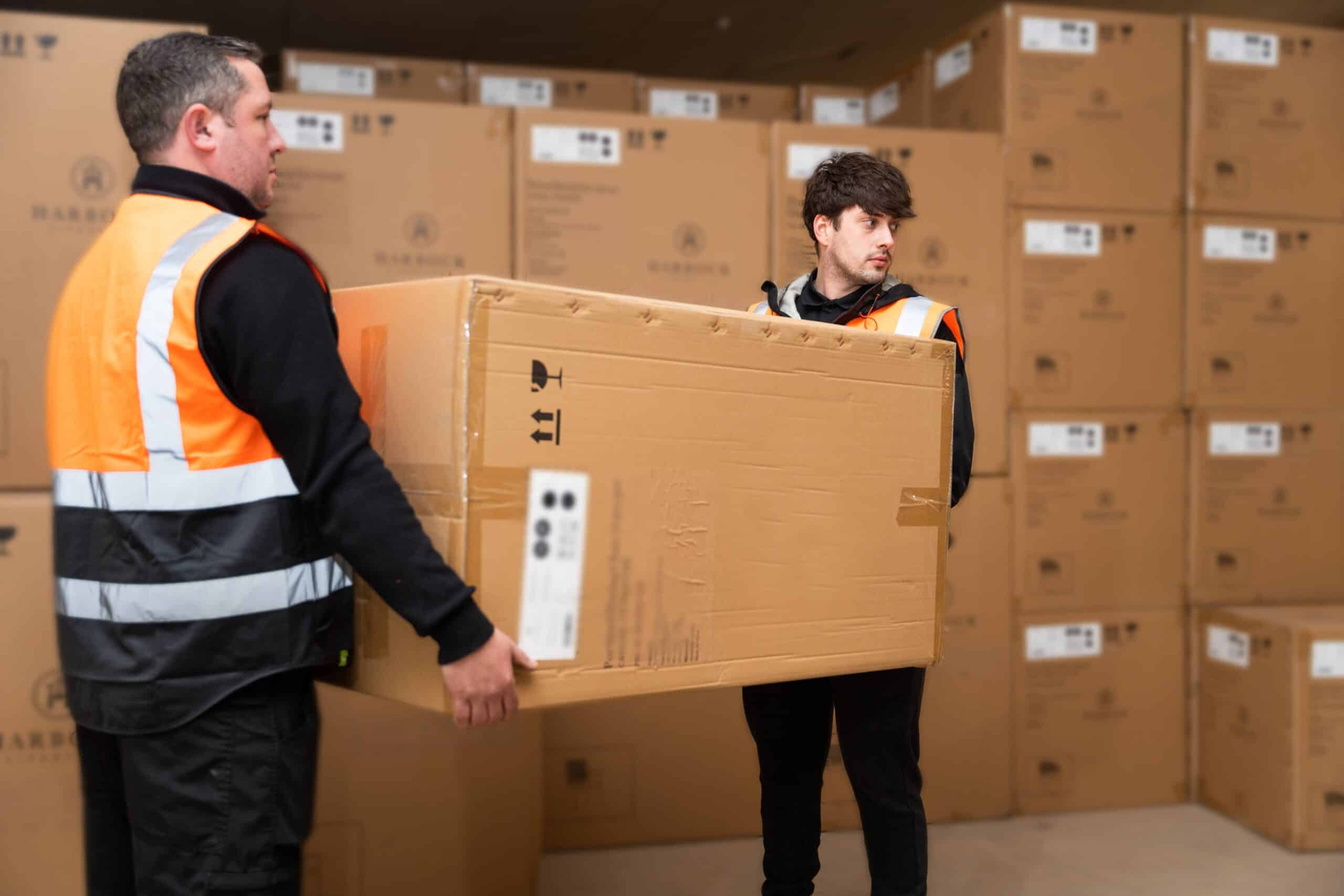
Most brands ask a 3PL how much pallet storage costs. The more useful question is which kind of pallet storage their stock needs, because the four realistic options differ enormously in what they cost and what they can hold — and the cheapest one your stock qualifies for is not always the right one.
This is a guide to choosing between racked, floor stacked, floor-serviced, and outdoor storage, and to the trade-off that runs underneath all four.
The trade-off underneath every option
Every storage decision is a negotiation between density and access. Density is how much stock you fit in a given cubic space. Access is how quickly and cheaply you can reach any particular item.
They pull against each other. The densest possible arrangement — stock packed tight, blocked in, stacked high — is also the most expensive to pick from, because reaching anything means moving other things first. The most accessible arrangement, where every pallet is individually reachable, uses the most space per pallet because of the aisles it requires.
There is no universally correct point on that spectrum. There is only the right point for a given stock profile, and it depends almost entirely on how often the stock moves. Fast-moving stock justifies paying for access. Slow-moving stock does not, and paying for access it never uses is one of the most common ways brands overspend on storage without noticing.
Racking
Racking gives every pallet its own location, individually reachable without disturbing anything else. That is the point of it: selectivity. It also uses vertical space, which is the cheapest space in any warehouse, because the roof is already paid for.
It suits stock that moves often, that comes in many SKUs needing individual access, that has consistent dimensions, and that is not strong enough to be stacked on top of itself. Most conventional palletised goods fit racking well, which is why it is the default in most warehouses.
It is a poor fit when your stock does not conform. Anything too tall, too long, too heavy, or too oddly-shaped for a rack bay either cannot go in or wastes so much of the bay around it that the density advantage disappears. Bulky-goods brands routinely find that a meaningful part of their range is in this position — which is where the assumption that racking is the professional option starts to break down.
Floor stacking
Floor stacking means pallets stacked directly on top of each other, in blocks, without racking. It is dense and it is efficient, and where stock suits it, it is hard to beat.
Two conditions have to hold. First, the load underneath has to physically carry the ones above it — and that is a property of the packaging as much as the product. A robust item in a carton that crushes under load is not stackable, however strong the item is. Second, you have to accept that whatever is at the bottom of a stack is not coming out today.
That second condition is what makes stacking a stock-profile decision rather than a warehouse preference. It works well when you hold a lot of the same SKU and do not care much which unit ships — a season's worth of one model, for instance. It works badly when a customer orders the SKU at the bottom of the block and you have to dismantle the stack to reach it. Do that regularly and the handling cost quietly eats the saving.
Floor-serviced storage
Floor-serviced storage is stock kept on the floor, individually accessible, not stacked and not racked. It looks like the least sophisticated option and it is frequently the correct one.
It is what genuinely out-of-gauge goods need. Items too tall for a rack bay. Items too long to sit in one. Items too heavy or fragile to have anything on top of them. Items that arrive assembled. Items whose shape means they simply have to sit somewhere and be walked up to.
The cost is space per unit, and it is real — this is the least dense option available. But the alternative for this stock is not cheaper storage; it is damage, or refusal to hold it at all. A rigid hot tub, a fully assembled piece of furniture, or a long pergola kit is a floor-serviced item, and the honest answer is to plan the space rather than pretend it fits somewhere it does not.
Where stillages or bespoke arrangements suit the product, they can bring some of the density back without giving up the access. That is worth exploring for stock that is awkward but repetitive.
Outdoor storage
Outdoor space is a genuinely different class of storage: a lower cost per square foot, secured with fencing, lighting, and surveillance, suitable for a specific subset of stock.
It works for stackable building materials — bricks, timber, steel, concrete products, tonne bags — and for robust, weather-tolerant goods, especially where wrapping or weatherproofing is added. It is also the natural home for peak overflow, when containers land faster than the season sells through and the alternative is paying indoor rates for stock that does not need them.
The deciding test is not whether the product is an outdoor product. It is whether the product in its packaging tolerates weather. A printed carton that becomes unsaleable after a wet fortnight has failed even if its contents are perfect. Electrical components, untreated iron, and anything cosmetic belong inside.
Used correctly, outdoor storage is one of the more effective cost levers available to a bulky-goods brand. Used carelessly, it is a write-off.
How to work out where your stock belongs
Most bulky-goods brands end up with a mix rather than a single answer, and that is the expected outcome rather than a compromise. A typical garden furniture range might have fast-moving boxed accessories in racking, a season of one model floor stacked, rigid tubs and assembled pieces floor-serviced, and treated timber outside.
- Does it physically fit a rack bay — height, length, and weight? If not, racking is out regardless of anything else.
- Can the packaging carry another pallet on top of it? If not, stacking is out.
- How often does it move? Frequent movement justifies paying for access; slow movement usually does not.
- Do you care which unit ships? If any unit will do, blocked or stacked storage is viable. If units are distinguishable, it is not.
- Would it survive its own packaging getting wet? If yes, outdoor is worth costing. If no, it is indoor stock.
- How many touches does one order take? Every extra move to reach an item is a cost you pay repeatedly and a chance to damage stock you have not sold.
Getting the mix right
The mistake worth avoiding is deciding this once, at onboarding, and never revisiting it. Stock profiles move. A SKU that was fast-moving in June is dead stock in November, and it does not need to be occupying the same accessible location it earned in the season.
That is the practical argument for visibility: if you can see how often each SKU is actually moving rather than how often you assume it is, the storage decision becomes evidence rather than instinct, and it can be adjusted as the year turns.
SIMPLEE UK offers racked, floor stackable, floor-serviced, outdoor and bespoke out-of-gauge pallet storage, on flexible short-term, seasonal, or long-term arrangements. If you want a view on where your own stock belongs, send dimensions, weights, stackability, and rough turnover through the get a quote page — or call the team on +44 1787 378154.
Related SIMPLEE UK services
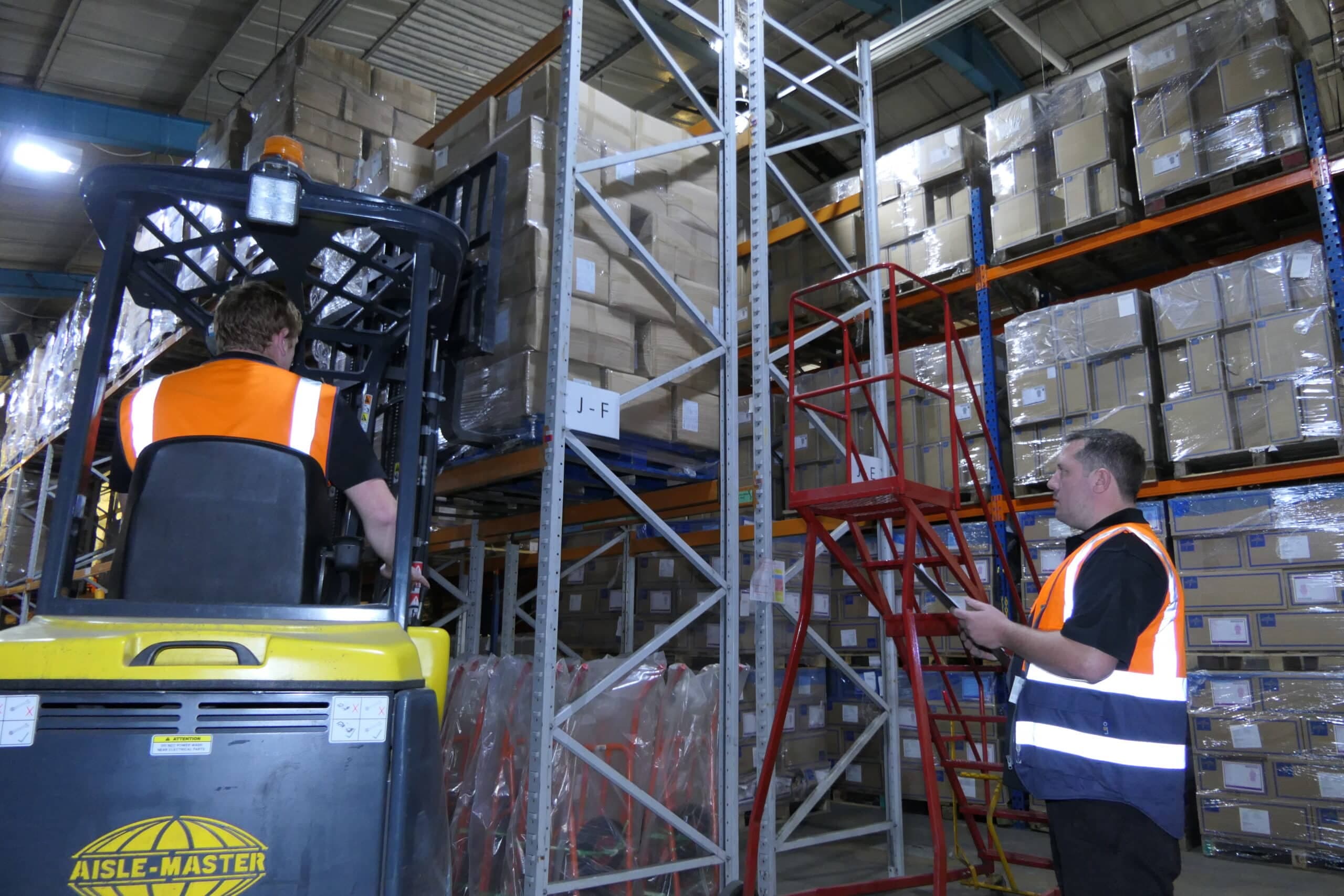
Pallet storage & out-of-gauge pallet solutions
Pallet storage for standard, oversize, stackable, racked, and outdoor stock profiles.
- Out-of-gauge pallet solutions
- Outdoor and racked storage options
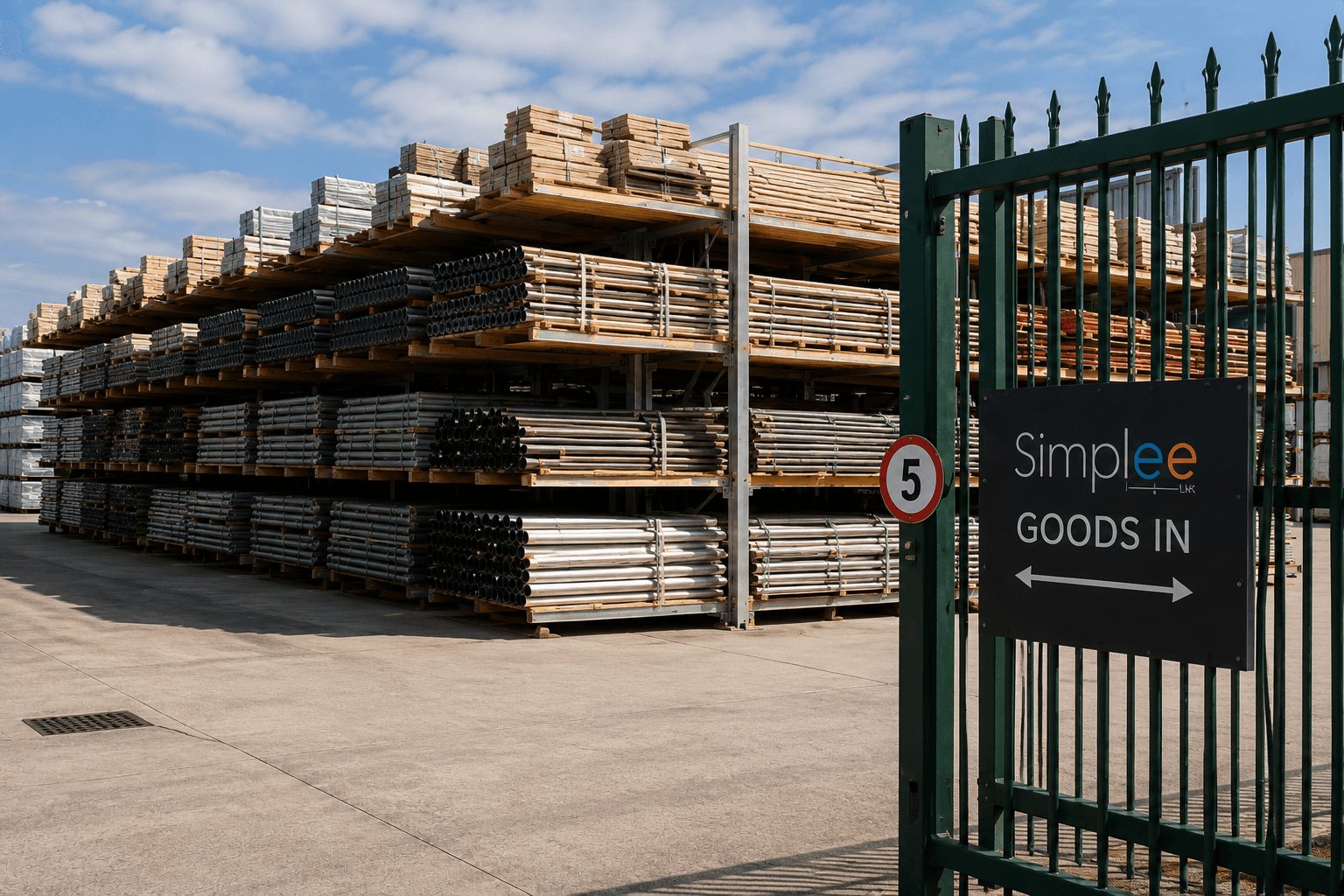
Outdoor & outside storage UK
Outdoor storage for stackable building materials, garden goods, containers, and other robust bulky stock.
- Outdoor storage for stackable materials
- Custom storage configurations
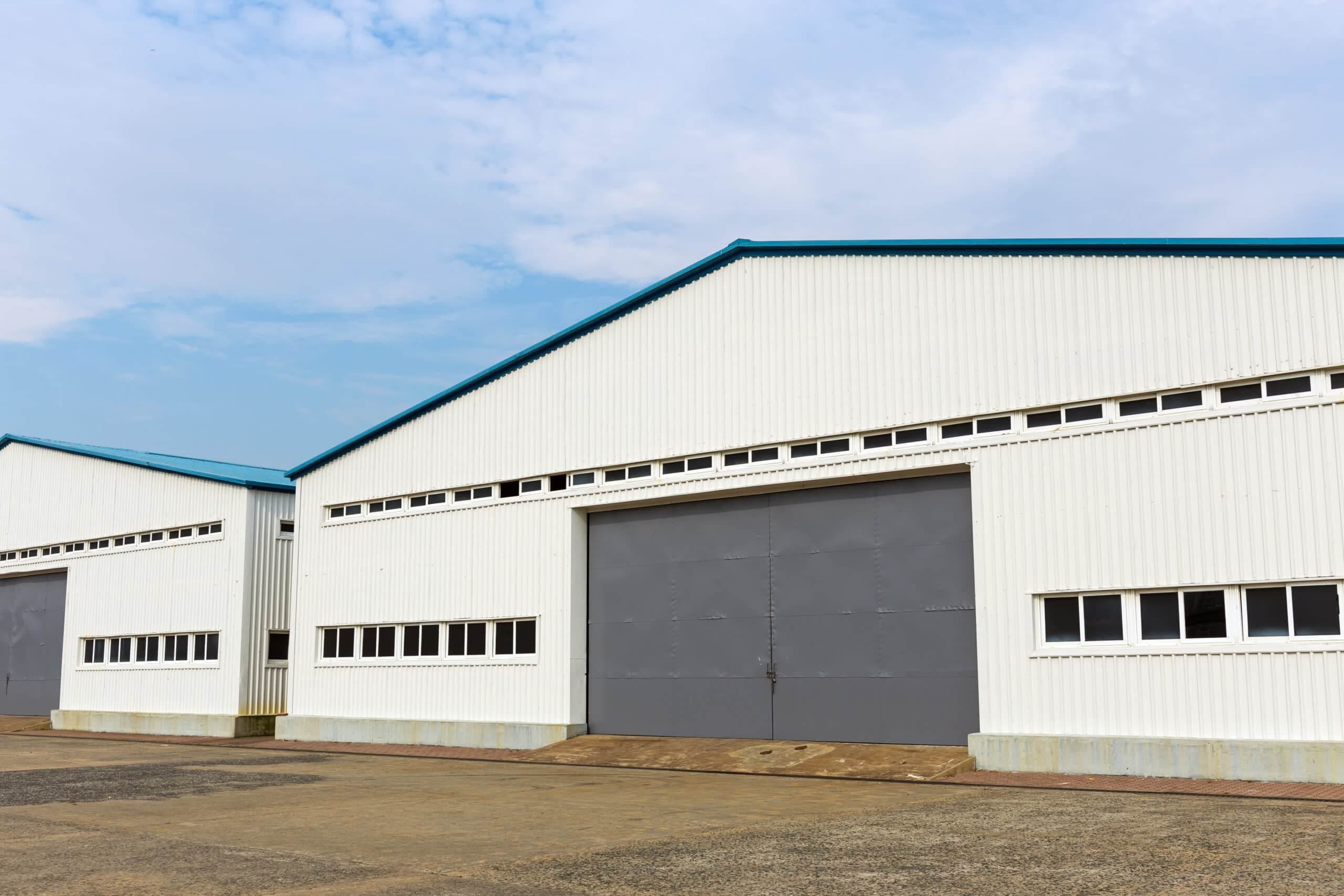
Specialist internal storage for awkward goods
Internal storage for awkward, bulky, fragile, and specialist materials that need careful handling beyond pallet or rack.
- Specialist internal storage
- Floor storage for awkward goods
Related posts
Out of gauge pallet storage explained
What happens when your stock overhangs the pallet — bespoke oversized pallets, racked versus floor decisions, and how out-of-gauge storage is actually priced.
Read article
Storage for awkward goods that do not fit racking
Racking assumes your stock is a neat cube on a standard pallet. When it is not, you need floor storage, stillages, and a warehouse that plans around the product instead of the shelf.
Read article