
What can safely be stored outside?
Outdoor storage for stock is cheaper per square foot — but only some goods belong there. How to judge what can go outside, and what should not.
The short answer
Goods can be stored outside when the packaging, the material, and the handling plan can all tolerate weather — not just one of the three. Most brands get this wrong by looking only at the product. A powder-coated steel gazebo frame does not care about rain. The cardboard carton around it does, and the printed label on that carton is what your picker needs to read in November.
So the real question is not "is this product weatherproof?" It is "will this unit still be sellable, findable, and pickable after a season outside, in the packaging it actually arrived in?" That is a different test, and it is the one worth applying to every SKU before you move anything out of a building.
Why brands look at outdoor storage in the first place
Outdoor storage is usually cheaper per square foot than indoor space. For bulky goods that is not a small difference — a pallet of parasols or a crate of paving takes the same footprint whether it is under a roof or under the sky, and the roof is the expensive part.
The two situations where it earns its keep are overflow and seasonality. Overflow is when a container lands earlier than planned, or three land in the same week, and you need somewhere to put robust stock so the indoor space stays available for the goods that genuinely need it. Seasonality is when you are holding a large volume of weather-tolerant product through a quiet period and paying indoor rates for it makes no commercial sense.
What outdoor storage is not is a way to make a storage problem disappear. If the stock is wrong for it, you have not saved money — you have moved the cost from rent to write-offs.
The four tests to apply to a SKU
- Material tolerance. Will the product itself degrade? Untreated timber, unsealed MDF, mild steel with cut edges, and anything with a fabric or foam component are the usual failures. Powder-coated aluminium, treated timber, concrete, brick, and heavy plastics generally pass.
- Packaging tolerance. Cardboard is the most common weak point. It absorbs moisture, loses structural strength, and stops being stackable — which is often the whole reason the pallet was viable outside.
- Identification. Can you still tell what it is in six months? Faded or peeling labels turn stock into a manual counting exercise every time someone needs it.
- Handling. Can it be lifted safely in wet or icy conditions? A load that is fine to move on a dry warehouse floor can behave very differently on a wet yard surface with a shifted, softened pallet base underneath it.
Goods that usually pass
Stackable building materials are the clearest case. Bricks, blocks, concrete products, treated timber, steel beams, and tonne bags are designed to sit on a site for weeks before they are used. Storing them outdoors is not a compromise — it is where they normally live anyway.
Robust garden and outdoor goods often pass, but the qualifier matters. The finished product is intended to sit in a garden for years. The retail carton is intended to survive a van. Where the packaging is film-wrapped, crated, or genuinely weather-rated, these work well outside. Where it is a printed cardboard box designed to look good in a photo, it does not.
Containers and certain machinery pass on the product test and usually on the handling test too, provided access and ground conditions are planned rather than assumed.
Goods that should not go outside
Anything with an upholstered, fabric, or cushioned element belongs indoors, full stop. Even under cover, humidity cycling will find its way into foam, and the damage is invisible until a customer opens the box and reports it. That is the worst possible point of discovery.
Flat-pack furniture is a firm no, regardless of how well it is boxed. Chipboard and MDF panels swell at the edges from moisture that a carton will not keep out over a season, and a swollen panel is scrap — the cam fittings will not line up.
High-value machinery, electronics, and anything with a warranty that depends on storage conditions should stay in secure indoor space. So should anything where a claim would be worth more than the rent you saved.
The awkward middle group is stock that could technically survive but where you cannot afford a surprise: hero SKUs, low-stock lines, and anything you are about to run a promotion on. If the item failing would cost you a season, do not experiment with it.
What good outdoor storage actually looks like
Outdoor does not mean "in a corner of a yard". Done properly it is configured, not just occupied. Stack heights are planned to the product rather than to the space. Aisle spacing is set so a pallet at the back can be retrieved without moving six others first. Ground conditions are suitable for the handling equipment that will actually be used, in the weather it will actually be used in.
Security is the part brands underestimate. Outdoor stock needs the same fencing, lighting, surveillance, and gated access as indoor stock — the value on the pallet does not change because the roof did.
Wrapping and weatherproofing options can bridge the gap for goods that pass the material test but fail the packaging test. That is a real and often sensible answer, but it is a cost, and it should be priced in before you compare outdoor rates to indoor ones. Sometimes the wrapping cost eats the saving and the honest answer is to keep the stock inside.
The mixed approach most brands end up with
In practice, very few bulky-goods brands are entirely indoor or entirely outdoor. The workable model is a split: weather-tolerant, slow-moving, high-footprint stock goes outside; fragile, fast-moving, and high-value stock stays inside; and the split is reviewed as the season turns rather than set once and forgotten.
At SIMPLEE UK we run both, from the same site near Sudbury in Suffolk, which is what makes the split practical. Stock can be received outside and moved into dispatch workflows as demand requires, without a transfer between locations. That matters more than it sounds — the cost of outdoor storage is easy to compare, but the cost of shuttling stock between two sites is what usually erases the saving.
How to decide
Take your SKU list and sort it by footprint, not by revenue. The biggest, slowest items are where outdoor storage pays, and they are also where the four tests are easiest to answer honestly. Then check what those items are actually packaged in, rather than what you assume they are packaged in — the answer is often on a supplier spec sheet nobody has read since the range launched.
If a handful of your largest lines pass all four tests, outdoor storage is worth pricing. If they only pass on material and fail on packaging, the conversation to have with your supplier is about packaging, not about storage.
If you want a view on your specific stock profile, send dimensions, weights, and packaging details and we will tell you plainly which lines we would put outside and which we would not. Call +44 1787 378154 or email sales@simpleeuk.com.
Related SIMPLEE UK services
Outdoor & outside storage UK
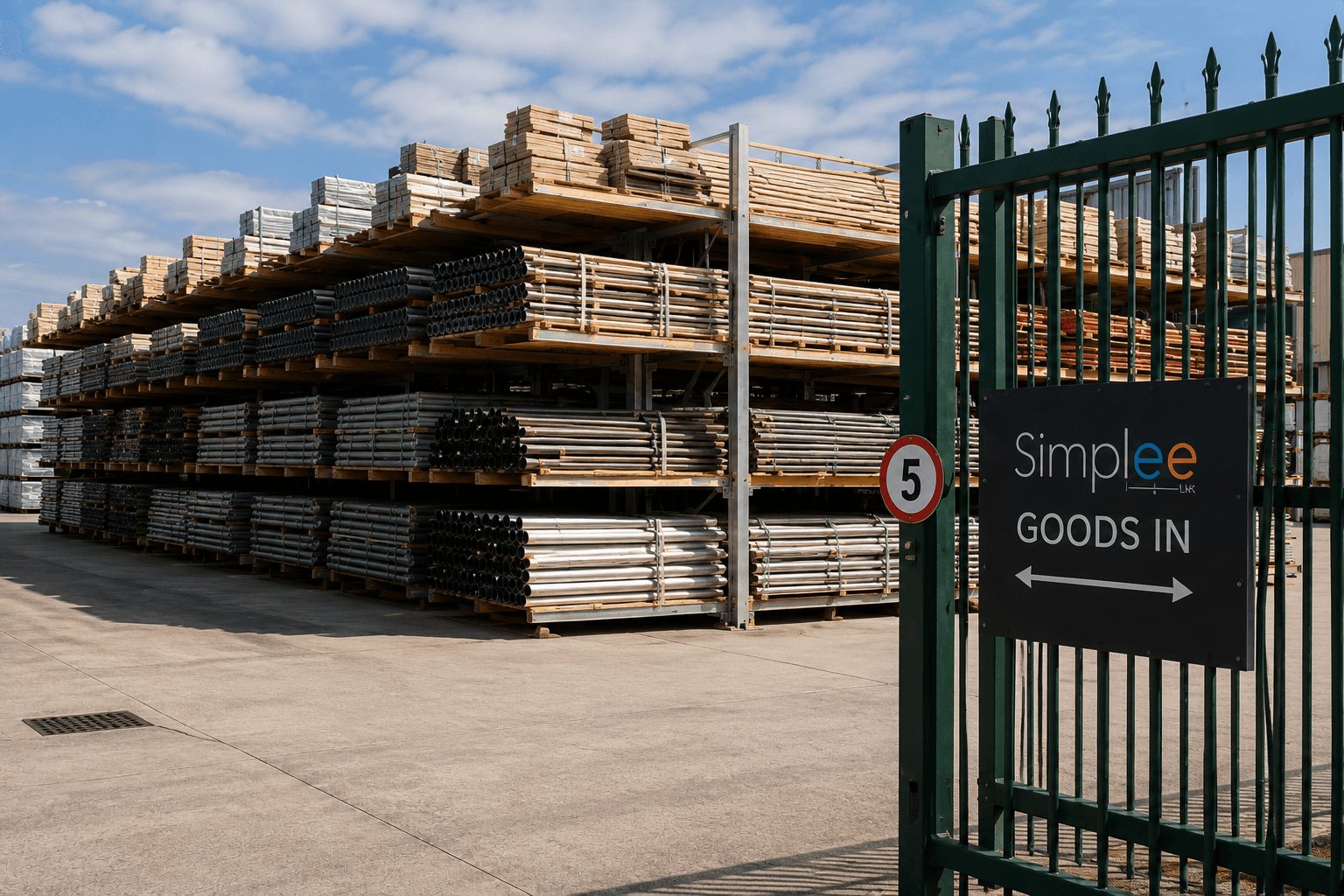
Outdoor storage for stackable building materials, garden goods, containers, and other robust bulky stock.
- Outdoor storage for stackable materials
- Custom storage configurations
Pallet storage & out-of-gauge pallet solutions
Pallet storage for standard, oversize, stackable, racked, and outdoor stock profiles.
- Out-of-gauge pallet solutions
- Outdoor and racked storage options
Warehouse fulfilment for bulky & out-of-gauge goods
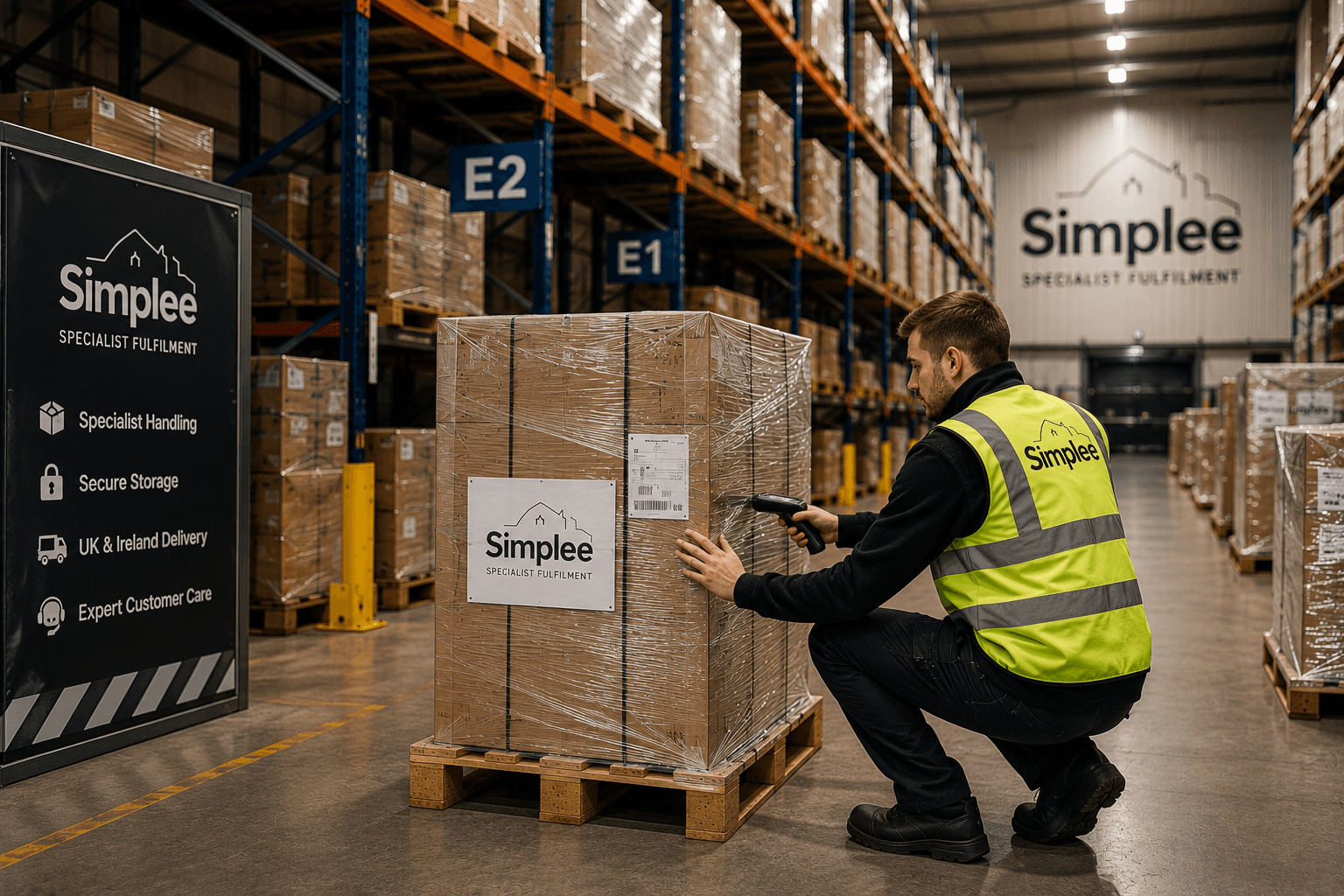
Inbound shipping, receiving, picking, packing, dispatch, and two-person delivery support for furniture, garden goods, and other awkward stock.
- Inward shipping coordination
- Inventory checks and discrepancy reporting
Related posts
Storage for awkward goods that do not fit racking
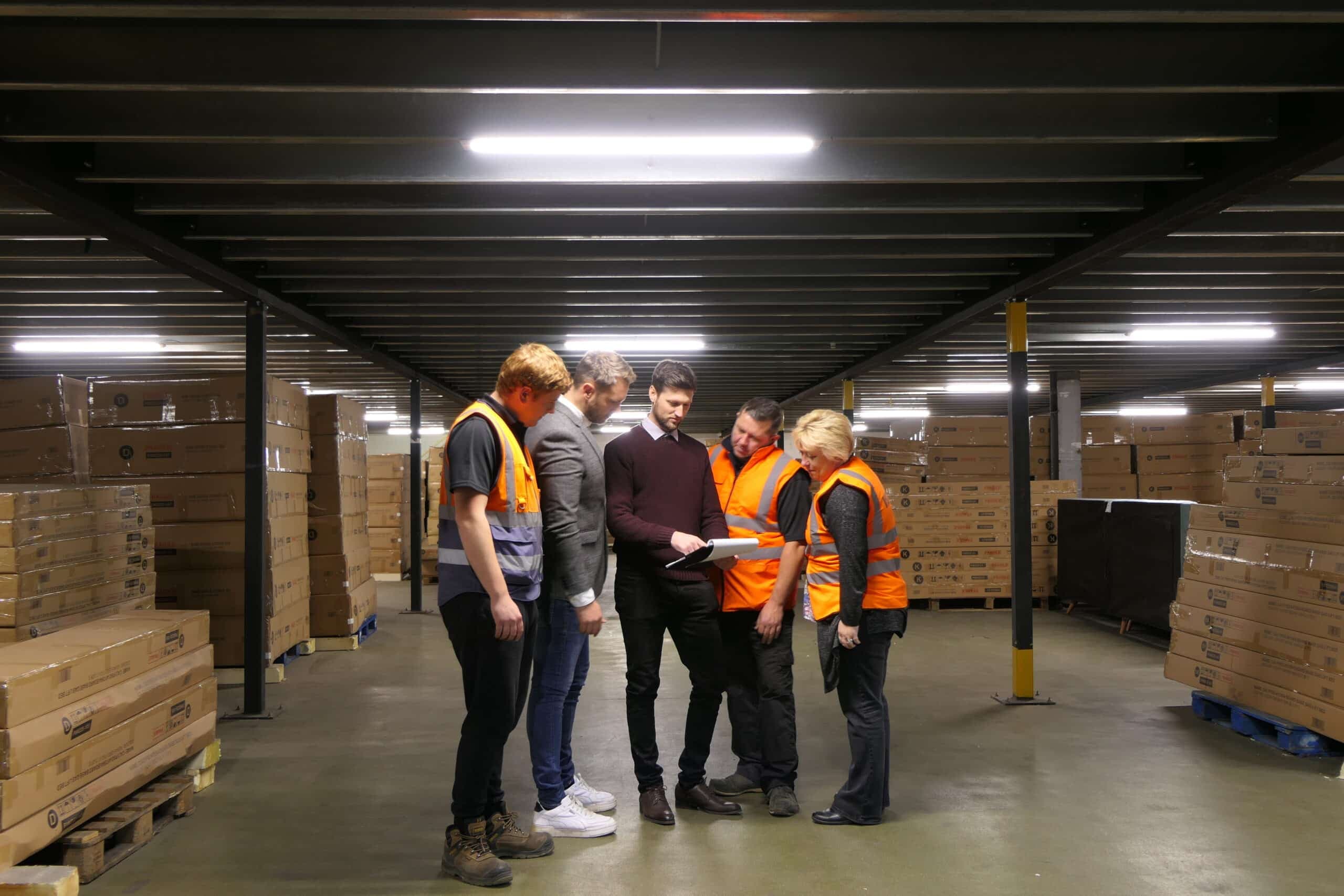
Racking assumes your stock is a neat cube on a standard pallet. When it is not, you need floor storage, stillages, and a warehouse that plans around the product instead of the shelf.
Read article
Racked, stacked or floor: choosing the right pallet storage option
Racking, floor stacking, floor-serviced storage and outdoor space each suit different stock. How to work out which of your pallets belongs where.
Read article